Friday, January 23, 2015

Cafe Culture


Welcome back guys and gals the holiday season is over and for many of us old man winter has us in a death grip.  So these are the days that we kick back with a hot cup of coffee or a stiff drink and take a gander at the web for something bike related to fend off the winter blues. 
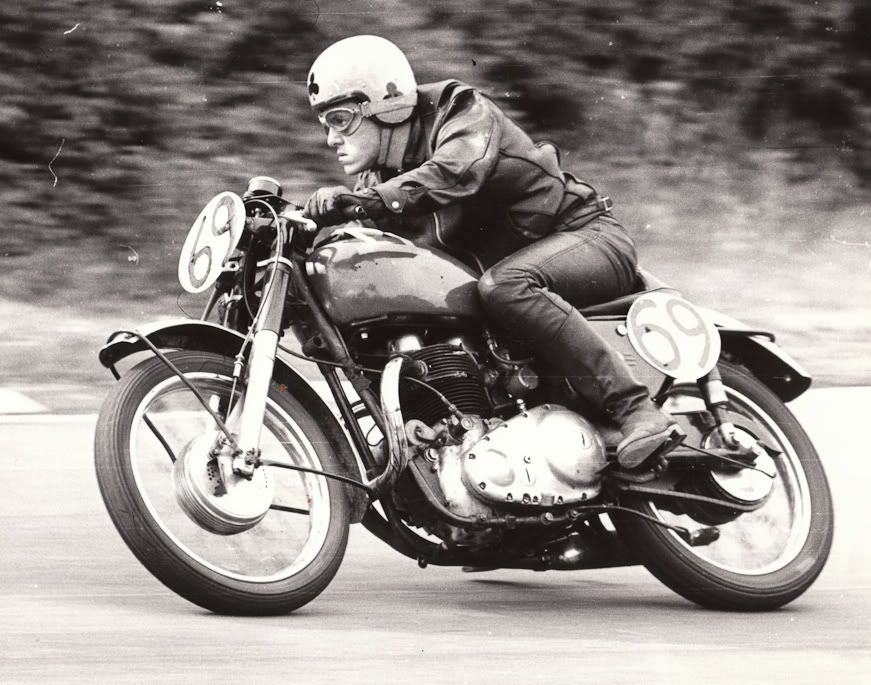

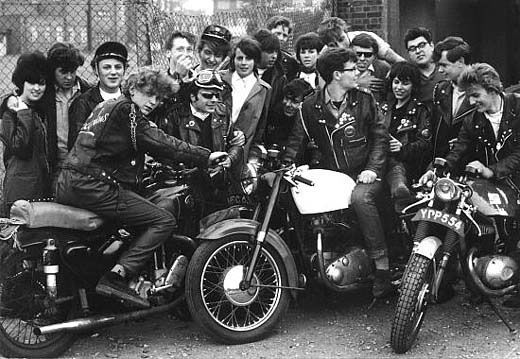
For this month I thought I might hop the pond for my inspiration.  I think it is high time we take a look at the bobbers nimble cousin the café racer.  Back in the good old days before custom motorcycles were mass marketed money machines there were two very distinct subcultures developing.  In the USA you had guys hacking and cutting bikes building the early choppers and bobbers that still continue to inspire us today.   In this same time period the chaps over in Jolly ole England where chopping up bikes as well but where Americans strived to blend function with a laid back style the Brits chopped for aggressive riding and speed.  

In the earliest form the café racer was a purpose built machine meant to tempt fate and chase the ton.  The young men who rode these where as likely to crash as to achieve the goals the so desperately chased.  For many I am sure this was a huge part of the draw there is no greater excitement than dancing down the line of life and death.  Each moment is a tempting of fate.  I once heard a man say that you a never more alive than you are in the moments you face death.  For many of the young men in these early days that is what motorcycles where about feeling alive.
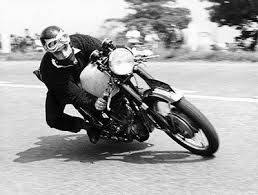

As is the case today many of the young men and woman felt that they did not belong to societies norm.  They did not fit the typical stereotype that they were expected to.  So they rebelled.  They rebelled against every aspect of the status quo that they hated so much.  They changed the way the dressed, talked, walked; every aspect of their life was an expression of social rebellion.  Out of this chaos a subculture was born.  It gave rise to such historic things as the Ace Café in London and the legendary 59 club. 
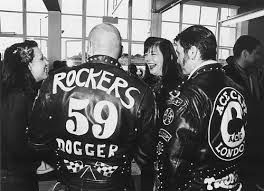

At the same time that these hell raising speed demons were ripping down the road another group of chaps that rode scooters and embraced a more clean cut image emerged.  These fellows were known as the mods.  They clashed sometimes violently with the café riding Rockers.  This clash has become the basis of stories and history and is now embraced in a modern way with the many Mods vs Rockers events we see springing up not just around the country but around the world.   
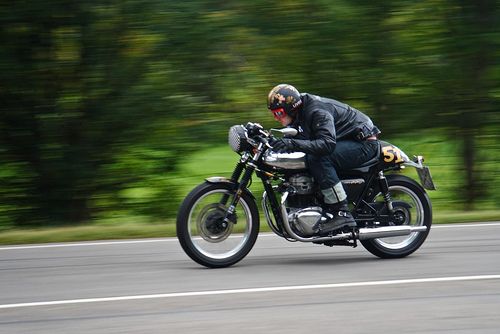

I think it is safe to say that when these young men were hanging out and chopping up and stripping down old Nortons and BSAs they never dreamed that their actions would create an iconic cultural embraced but hundreds of thousands and emulated for decades.  It serves as an example to all of us who humbly spin wrenches in a drafty shed, garage, or in my case even a barn.  What we do today may well influence generations to come so get out there live that dream and make it happen. 
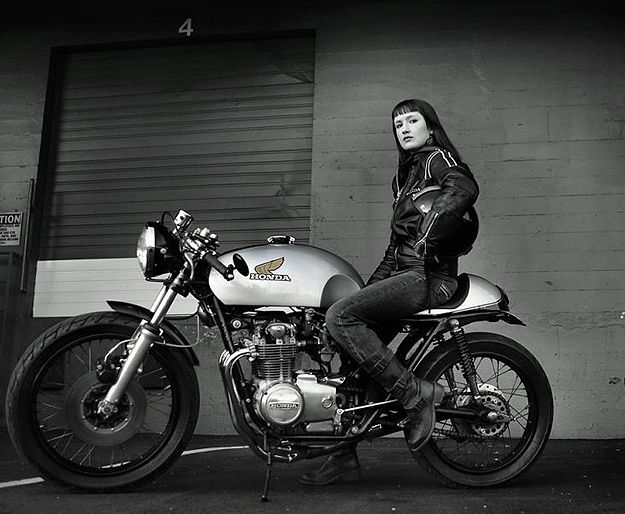


Until next time get off your ass off the bench and go live life.  


Thursday, December 18, 2014

Making of a fatbob dash panel


Welcome back to the wacky world of Wizard.  This is the first of what i plan to be several how to write ups on leather work. I have asked myself a few times what is it we love about motorcycles?  I have found that the action of building is as enjoyable to me as riding.  It is an act of creation when we take things in a raw form and we transform them into working parts of a machine.  With that in mind I have documented a recent project I was asked to do by a fellow Honda chopper head.  What I was asked to make is a tank panel or dash for split tanks.  This was fairly straight forward.  I received a pattern in the mail to work from with all the holes marked for the tie downs.  I want to say here that this makes all the difference with projects like this you must have a good pattern to work with.  Take a bit longer on this step and it will save you so much time in the long run. 

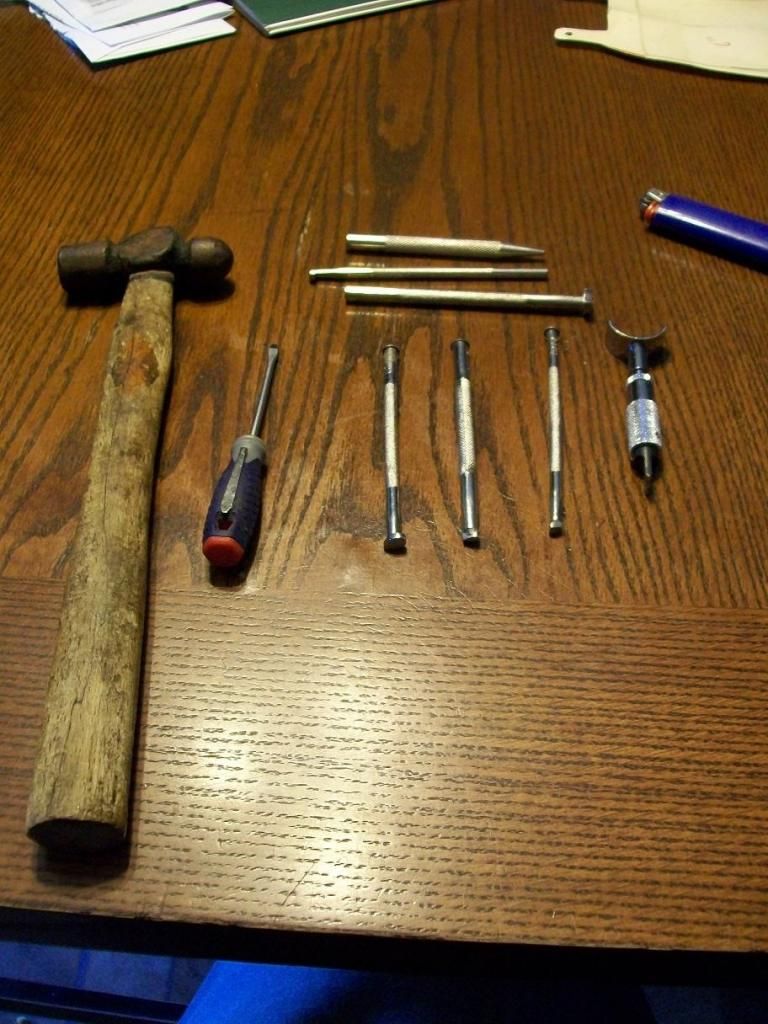
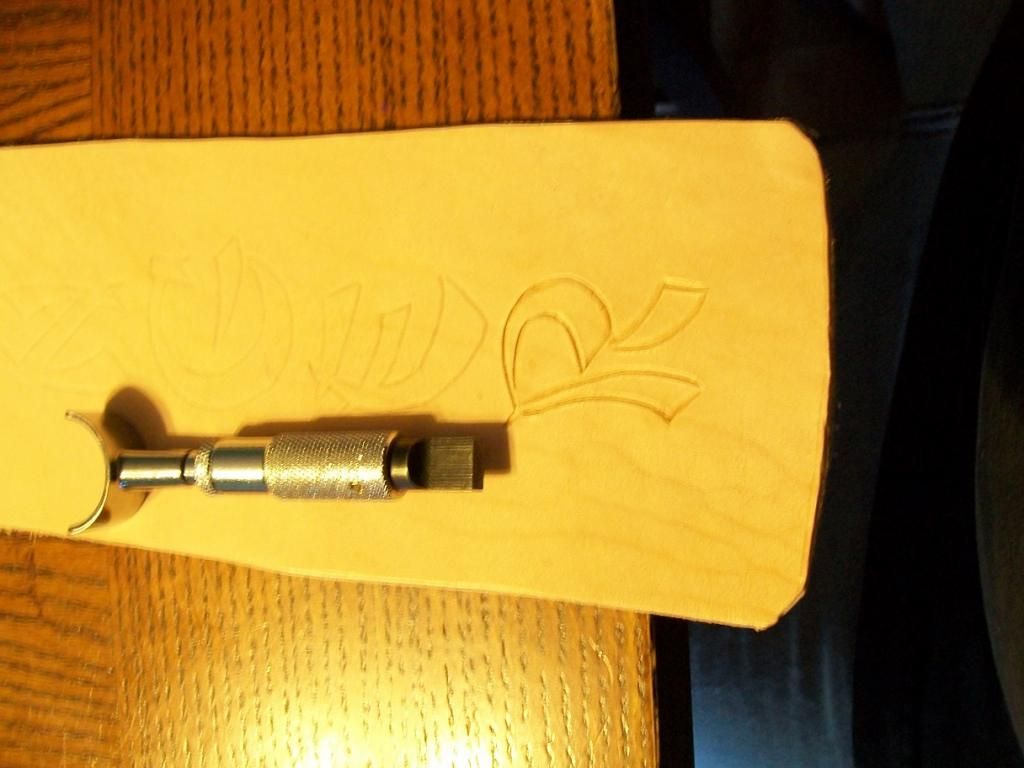
 Ok I have laid out my tools here for you to see I have swivel knife a few bevel tools and a background tool a small flat head screw driver and ball peen hammer lots use a mallet but the tiny hammer was a gift and I like it.  The lighter is because I like a cigar with my coffee and has no bearing on the work. 


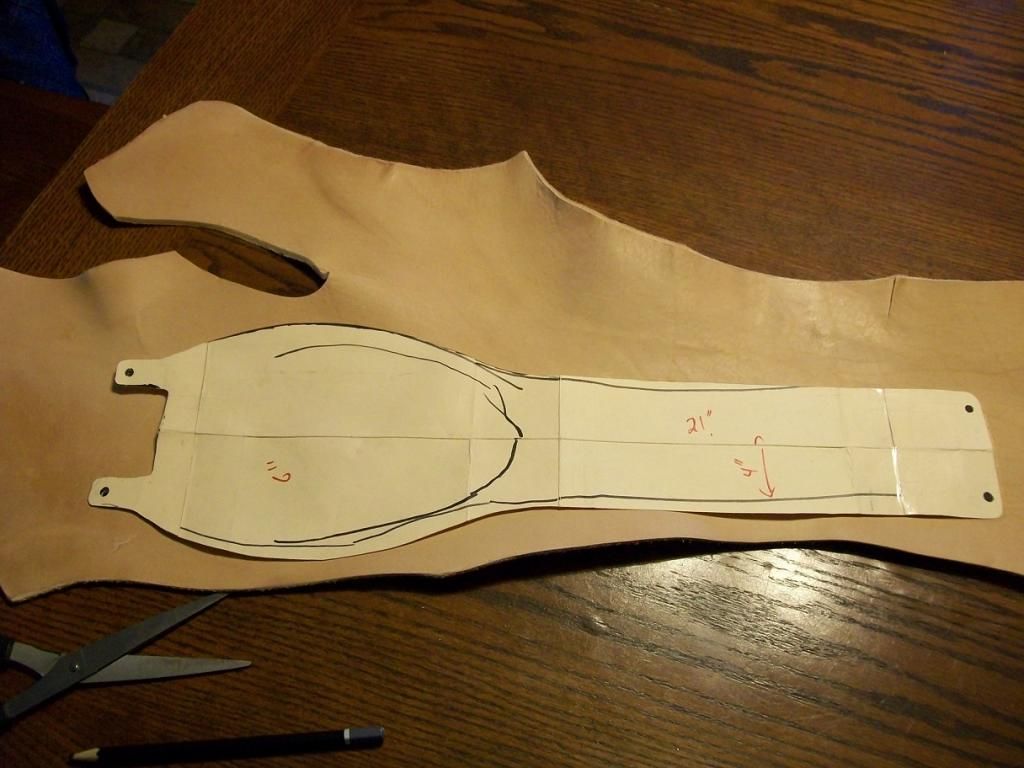
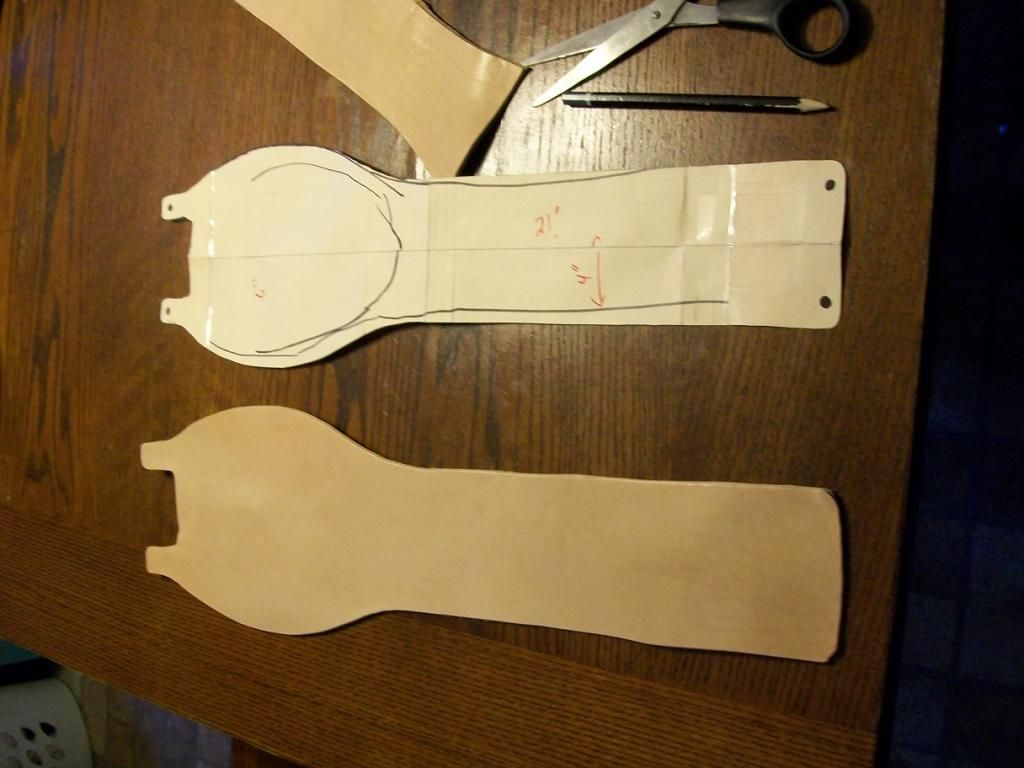
The first step is to look at the leather and find a good spot to work with that has no blemishes and is of the same thickness and texture.  When you do this lay the pattern on the leather and trace it with a pencil then  using very sharp scissors or shears depending on the thickness cut the leather out.

  
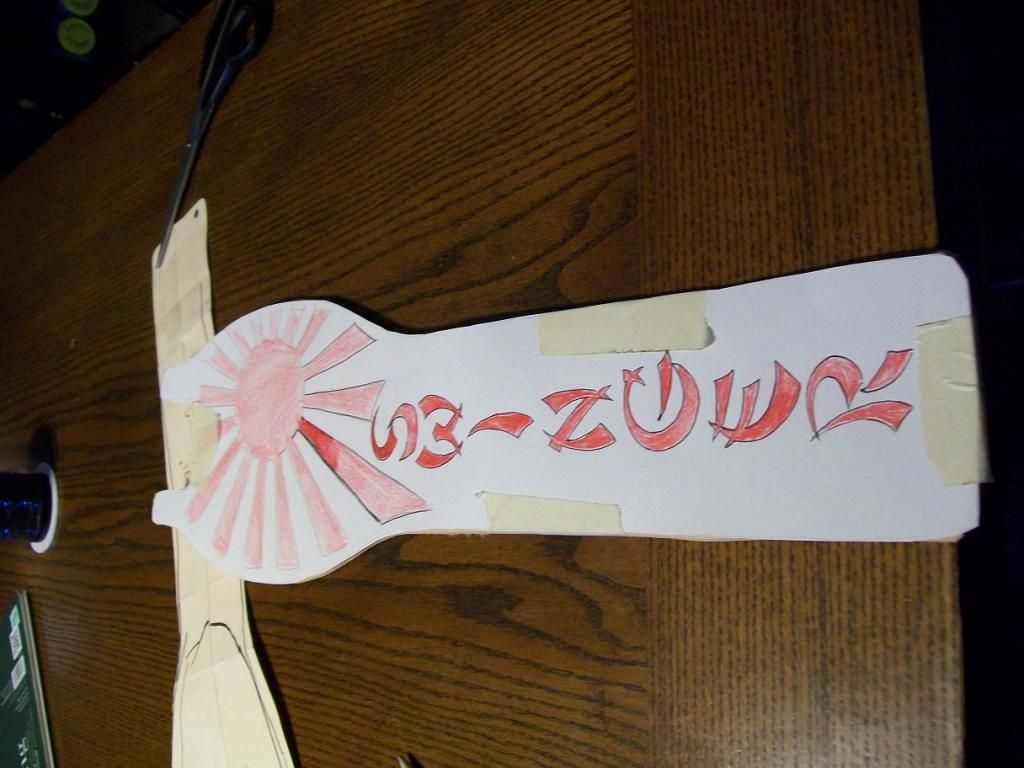
Step two. At this point I have the art work ready but it is really up to you what you use.  It is as simple as printing out a picture you like.  For this one I drew it up because I like to draw.  Lay your art on and tape it in place I like to use painter’s tape it is important you only tape on the back of the piece so it does not damage the front.  Now trace the picture pressing fairly hard.  You can use a stylus or I like a ball point pen that is out of ink.  This leaves an impression in the leather that you can work from. 


Step three is to remove the art and I give a quick trace of the art with a pencil and then wet the leather in cool water.  It is important that you know once wet leather is very easy to tool you can leave a lasting mark with a finger nail so all rings watches and such off to avoid accidental damage.  Now trace the design with the swivel knife applying pressure and following the pattern. 


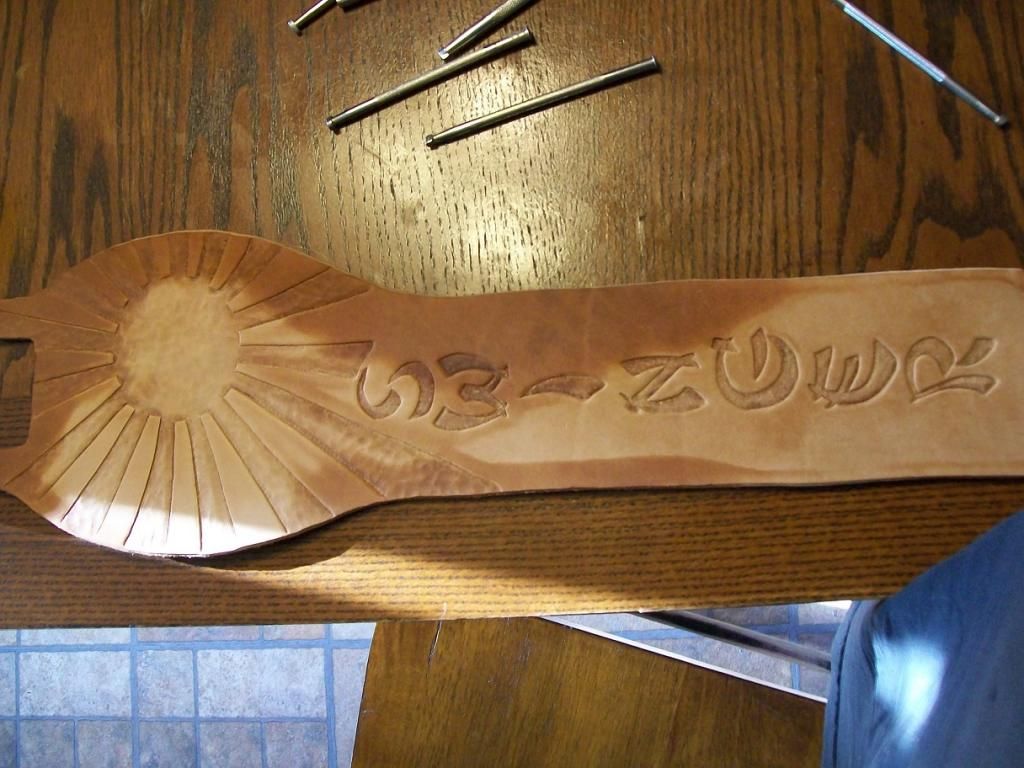
Step four we take our bevel tool and hammer and place it in the trench we made with the knife and tap the tool this will create a nice beveled edge to the design.
Now that the edge is beveled you take the background tool and in the same manner as the bevel tool you begin to fill in the space over lapping the tool marks.  On this project I dropped the design in but could have left it and tapped the rest in it is really a personal choice and it is important to note not all designs will require this step.
Once this is done we punch the lace holes I like to lay mine out by hand but they can be measured and spaced with a ruler also. 
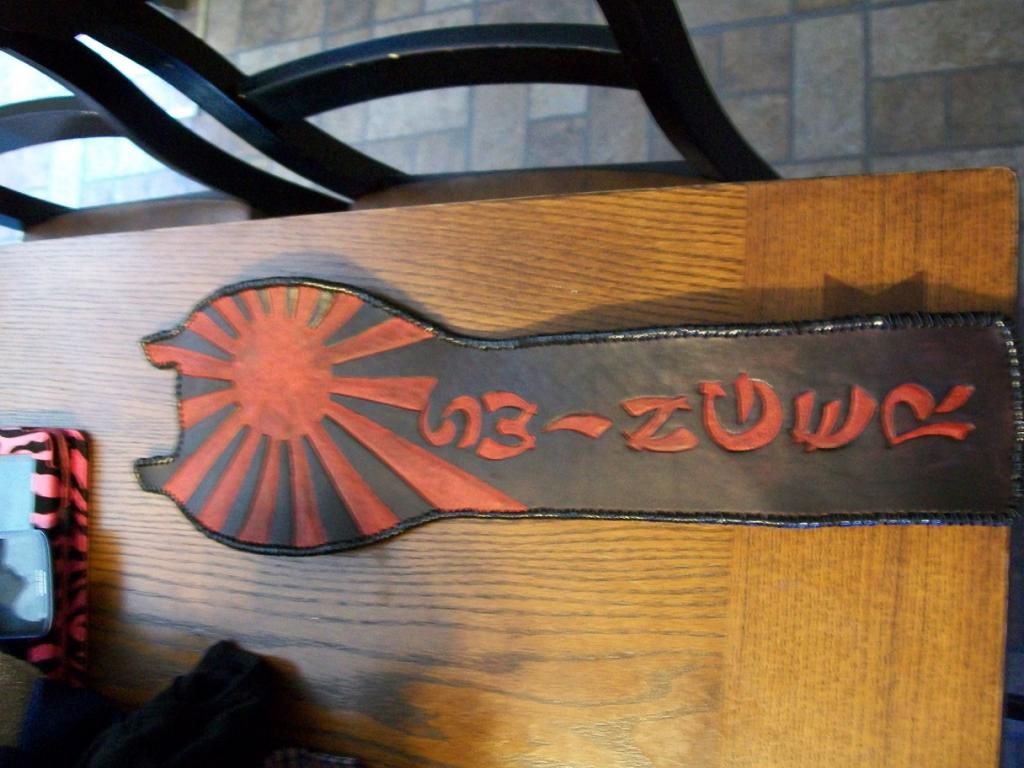
On to the dye.  I prefer to dye my lightest colors first and work out from there for instance the red then black it works well for me.  I apply the dye or stain with an assortment of paint brushes based on the size of part I am painting.  Once you have done this and it dries I like to add a little leather conditioner Tandy makes a good 4 in 1 also neatsfoot oil works well.
Now get your lace and go to town I will do an entry later and show some different methods but that is a discussion all its own.  She is tooled laced conditioned and bam she is done. Slap her on and ride that thing.  

Saturday, December 6, 2014

December Garage Girl

This month the Garage Gils say Merry Christmas pin up art style.


Monday, November 24, 2014

Monday, October 27, 2014

Builder Spotlight Jimmy ( Copperheadz)


           Welcome back guys and gals to another builder spot light.  This month it is my pleasure to bring you Jimmy Roberts or to all those floating around the HondaChopper.com forum Copperheadz.  First I would like to thank Jimmy for taking the time to do this interview.  He is a standup guy and makes some of the nicest parts out there for the SOHC Honda.  If you are building one of these bikes take a look at his stuff you will not regret it.  Now kick back relax and enjoy.

Wench Junkies: How did you first get into wrenching?

Jimmy:  I was raised on a farm  and like most folks, we repaired the equipment ourselves. Back in the day, there was better stuff in the junkyard than what we were using on the farm.  So you learn fast on how to fix things. Had a couple old dirt track cars back in the early 70's, now that was fun.  Street division my man. Knock the windows out, install the roll cage and we're off to the races. There was always something to do to those cars, engine, rear end you name it, it happened. Never did win a race, that was the times.

WJ: Man I bet that was a blast.  Knowing that you have a background not only in agriculture but also racing explains a lot about you attention to quality and precision when you are building parts as well as motorcycles.  Speaking of motorcycles when did I make the first step towards motorcycles?

J:  My friend down the road had just bought his first bike, it was a 1965 Honda 50 WHOOO HOOO we went everywhere on that bike. I remember he only had one helmet, we found an old plastic football helmet took the face guard off & that's what I used.  We never did get pulled over by the pokie.  3 or 4 years down the road, there was a family that moved in the area from Fort Wayne, Ind. THOSE GUY'S HAD CHOPPER's,  panhead & shovelhead Harley's. WOW!!!  15 feet long, well, that's what they looked to me.  Another guy up the road had a Honda cb750 (Hammer) Jeff Henley. RIP.  They took that 750 apart, bought a hardtail frame, Harley rear tire, dragpipes & raked her out. That was the badness thing that ever hit the ground. Love at first sight.

WJ:  Sounds to me like you got bit by the bug the same way a lot of us did.  I have often wondered if we took a poll how many of us got started building because of that one super cool guy.  Bad part is once that building bug bites you are done good times and bad. On that line of thought what about motorcycles do you find most rewarding?       

J:  Most rewarding for me is to build a nice chop & see the end results. You've got to have a vision & make it happen.  My first build was the Tennessee Moonshiner.

WJ:  That is an awesome build that showcases what is possible when to really decide to make it happen but you know I gotta ask when things are going smoothly what you find the most challenging.

J:  The most challenging thing to me are those cb750 Carbs, I see & read were guy's take them apart 2 or 3 times a week to get them right & I've never had a set apart. Took the bowls off, set the floats & cleaned the jets that's about as far as I'll go. May be a phobia for me.

WJ: I think it is a phobia for more than just you lol.  I know when I got started on my build man they scared me.  I can tell you if we do a bit of looking the two most common builder phobias have to be carbs and wiring.  It is worth it in the end though when take that first ride.  Looking back over all your builds which bike has been your favorite?

J: The Denver’s chop is the favorite as of now. My son Jimmy Jr. did the paint & body work so it was a father son thing. As for a hard tail & a long springer. This chop rides like a caddy. Would never build another chop with a 40 degree or better rake without a springer. It’s the difference between daylight & dark.

WJ:  Man I followed that whole build and it is unreal.  Anyone that wants to should head over to the HC.com builders section and take a look.  Electrics box alone is enough to blow a gear heads mind.  As I said before you not only build these bikes you make a lot of the parts yourself. So in order to make these bikes happen what is the tool in your shop you can’t live without?

J: I have a couple tools that I couldn't do without. One is a Leblond 13" gearhead lathe & the other is a Bridgeport milling machine. These machines were made back in the 60's so I don't know how it would be using a new machine. If push came to shove, I'd keep the lathe.

WJ:  I will say on a side note since I am rocking several of your parts myself I am really glad you have those tools.  Now I think we can all look at your work and it speaks for its self.  You have done some truly incredible motorcycles.  What is one tip for the new guys that will make life easier as they get started?

J:  A good tip for a newby or about anybody, is patience. I had to teach myself patience. When things went wrong or something didn't suit me, I'd go off.  Before I started building the Tennessee moonshiner, I made a commitment to myself that I would remain calm & finish the build, Yep, I had to walk away a few times & collect my thoughts but that's the first thing that I finished & was proud of. I was 50 years old before I owned my first bike, I believe that the family comes first & the toys later. I now have 3 bikes & 2 trikes, all are cb750 sohc. I like to collect the rare stuff.
 
WJ: Thanks again for your time.  I really appreciate it. 
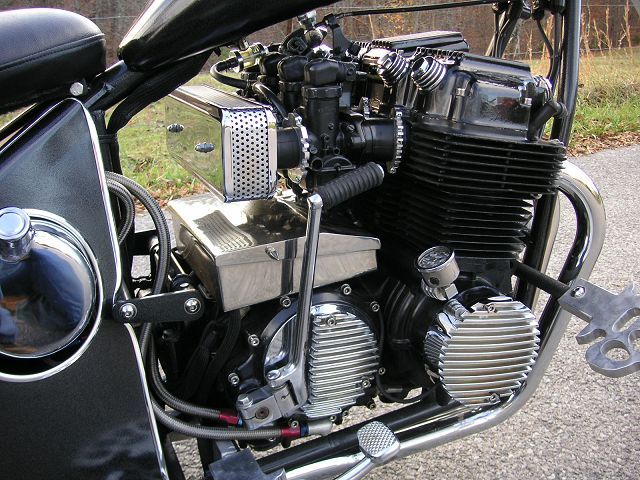
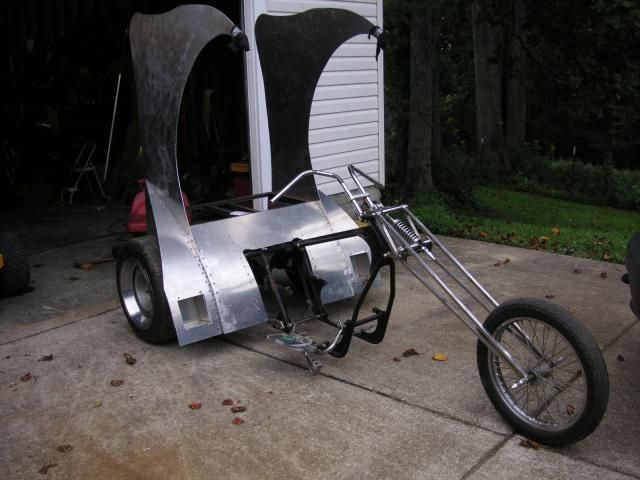
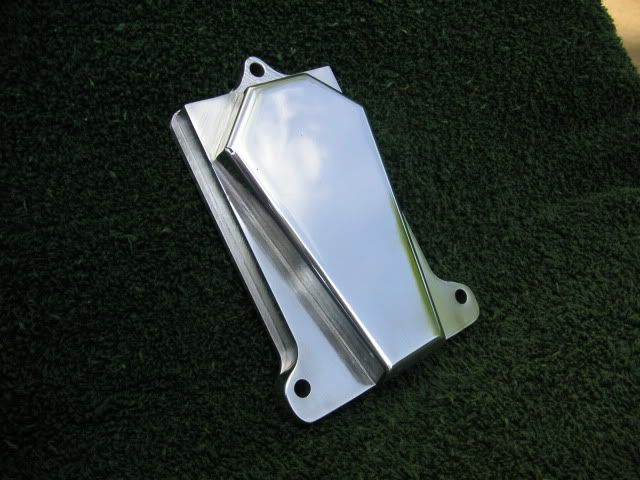
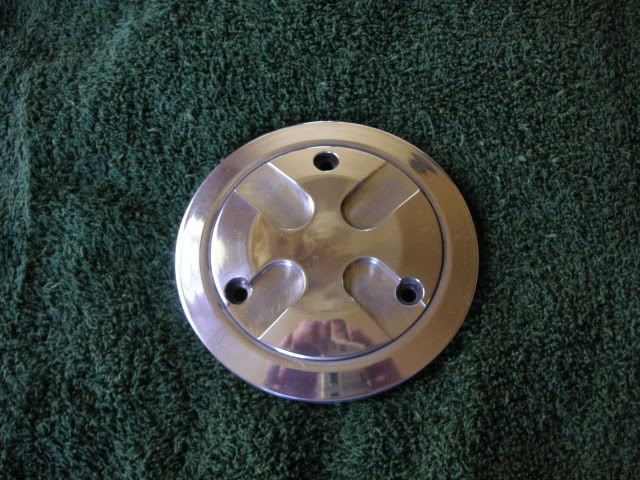
 Like I said before guys Jimmy is a standup guy.  His work is second to none.  I have been lucky enough to end up with several of his parts all I can say is wow.  If you need something for your sohc he makes give him a shout he is Copperheadz at Hondachopper.com and his email is miner230@yahoo.com.  I can promise you will not be unhappy with the parts.  Here are some pics of his builds and parts.


Denver's Build
1975 Santee with a Drouins supercharger
 1975 C&G with a turbo charger
Triple Trouble
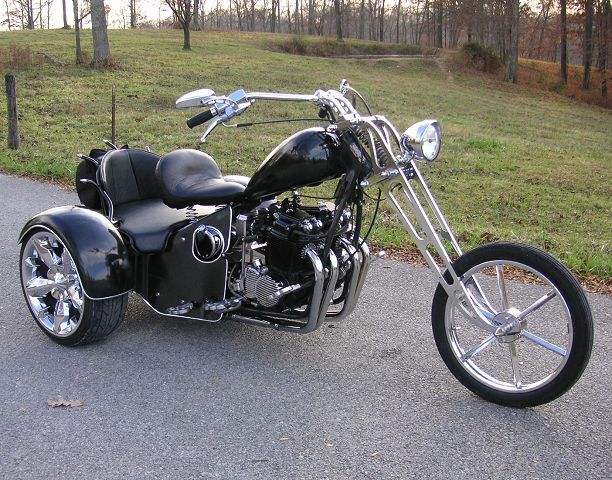
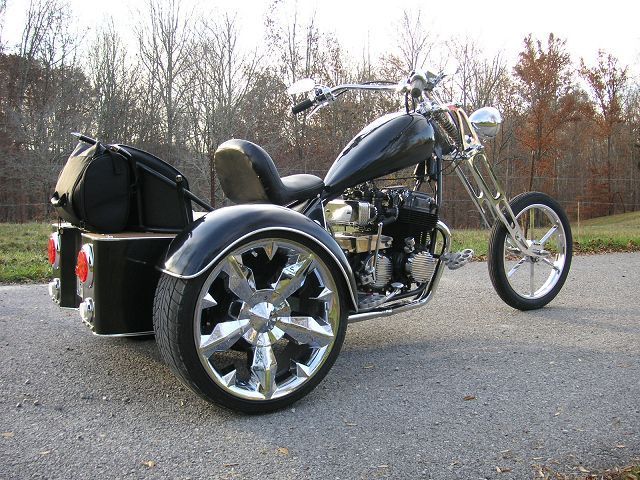
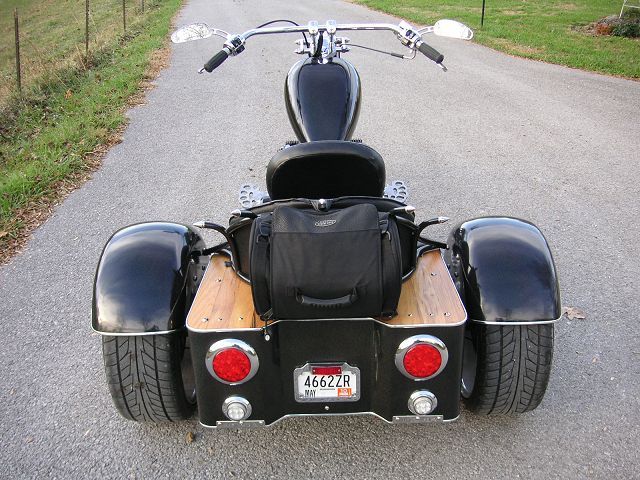
Current build 1973 Trike

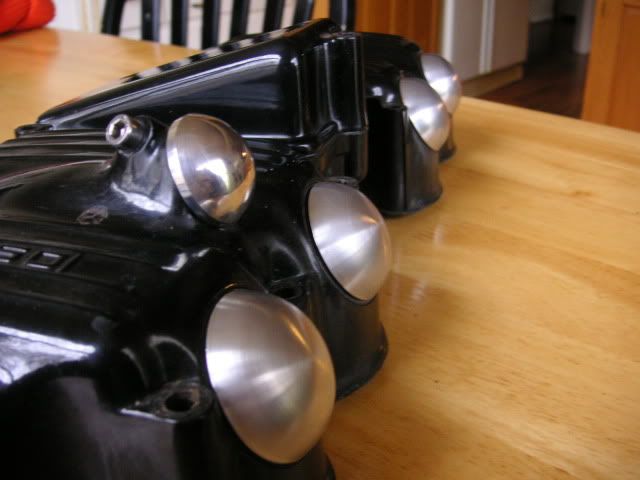
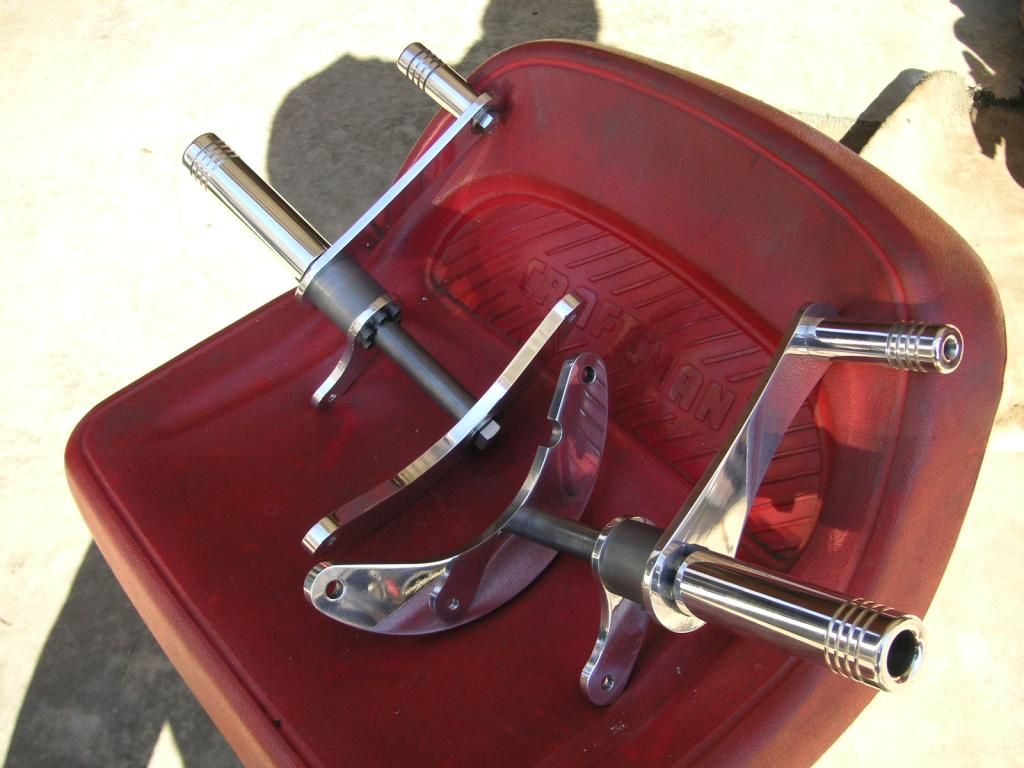
Cast your little eyes on these a few of the must have parts crafted by Jimmy.


Thursday, October 23, 2014

October's Garage Girl


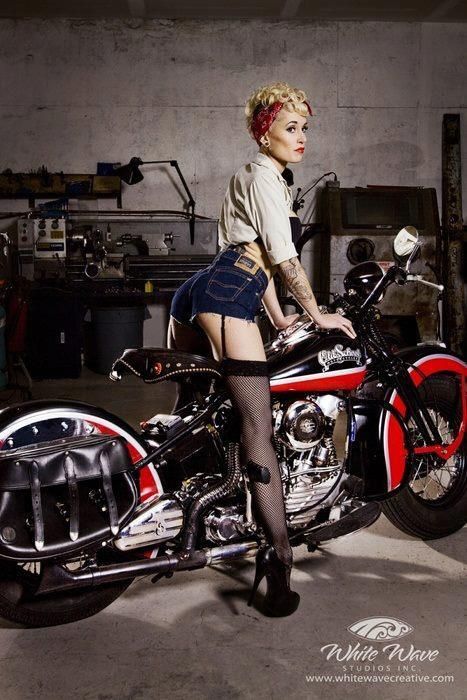
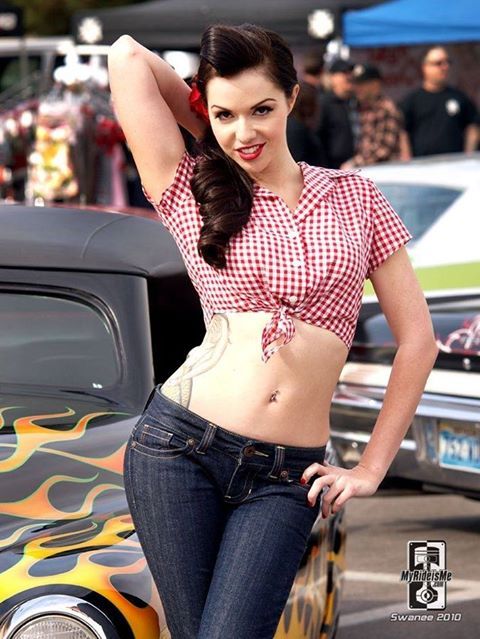
      This month’s Garage girl we salute the Rockabilly Pin Up.  In the last few years the Rockabilly movement has really gained some steam and as you can see that is not a bad thing.


Friday, September 19, 2014

Tucking in your chop for a long winters nap


Welcome back all you little gear grinding, grease guzzling, chopaholics.  I know what you are thinking I dropped the ball and have left yall hanging.  I have but the old wizardy one has had to focus on a few things this summer namely paying bills.  But such is the life of those of us who grind away at life.  Now that things are winding down I have a few ideas for articles I would like to do.  I will be wiring the trike in a week or so and will feature that as well as the process of doing my paint on a rattle can budget.  In the mean time I thought I would do a quickie on a subject we all hate, winter.  Like it or not old man winter will soon be laying his frosty hand on much of the land and I am sure he has already way laid some of the north of the border brethren.  The question always comes up when first getting into motorcycles how I store one correctly for the winter.   


Step one get down and dirty.  Change that oil and check all fluids.  Make sure all systems are in the best possible shape.  This is a key to keeping things good while at rest. 


Step two is Clean it.  I mean give it a good bath.  I know many people may think why well all of that road crud can have things in it that will do bad bad things in the long run.  So it is best to get it off there. 


Step three fill er up. I know this sounds odd but really fill that tank and put some stabilizer in it.  When things are in use they tend to not get nasty problems like rust nearly as bad.


Step four close up openings.  This refers to the pipes and the carbs.  Little stuff loves to get in there this can be as simple as closing the choke and putting a bag over the pipe with a rubber band.  This will keep the creepy and crawly boogers out. 


Ok this last part is a subsection depending on which kind of guy you are.  There are two for this part.  There is the I have easy access and plan to crank the bike once every week or two to keep things fresh and moving and the I actually have to store it guys.  For the first you can probably skip pretty much everything and be ok however maintenance is still a good winter habit and I would suggest getting a battery charging device like a battery tender to keep it fresh and ready.  Small price for sanity. 
Now if you are the second kind there are two steps I would suggest you consider.  First pull your carbs and clean them.  This new gas most of us get is shit.  It likes to break down and do really awful things.  Cleaning fresh liquid gas from carbs is so much better than letting it set up and become something more again to roofing tar.  Just pull em, drain em, blow out passages with compressed air, and put em back on.  Another step I take is remove the battery.  Lots of people will leave it in that is their deal but I have some truly nasty things happen because of batteries while something is being stored.  My philosophy here if the battery isn’t in there it can’t do nasty things.  Problem solved.  Of course there are many other things you can do as well be these are the basics that will make that first good riding day so much better come spring time.